


SERVICES
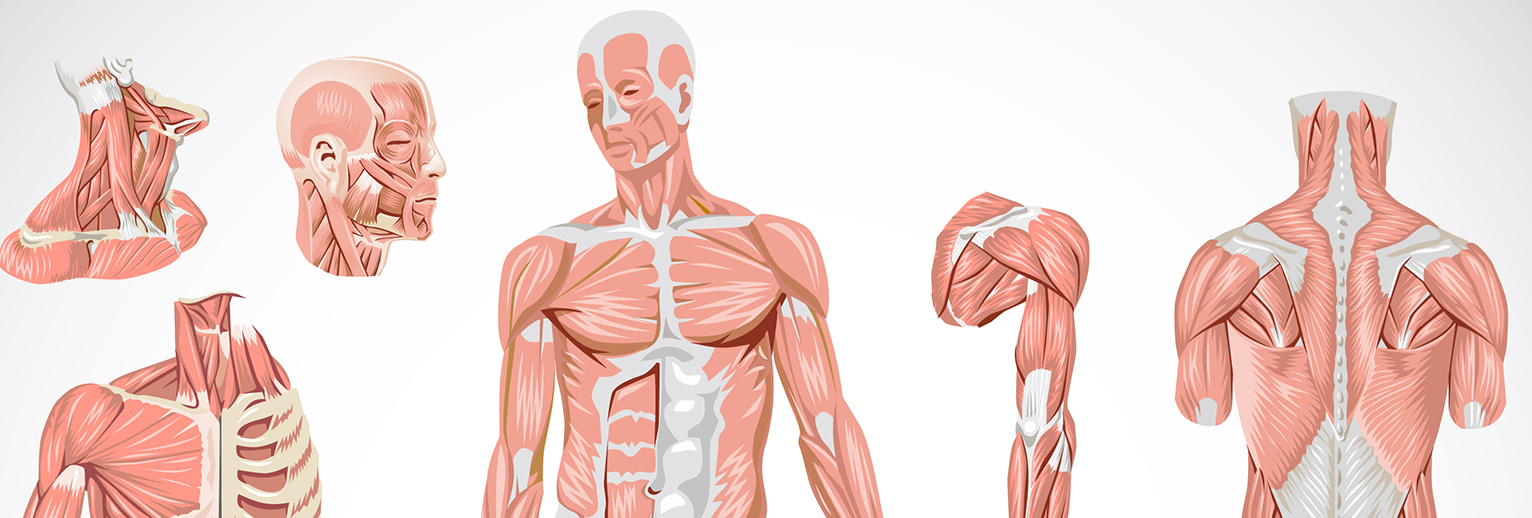
The Lucerne Clinic is a comprehensive complementary medical clinic located in the heart of Notting Hill Gate. We provide expert diagnosis and treatment for musculo-skeletal, cranial and visceral complaints, alongside specialist services in biomechanics, sports rehabilitation and advanced aesthetic treatments.
OSTEOPATHY
Osteopathy is a primary health care system, complementary to other medical practices. It is suitable for almost anyone and can contribute to the treatment and management of a wide range of conditions.
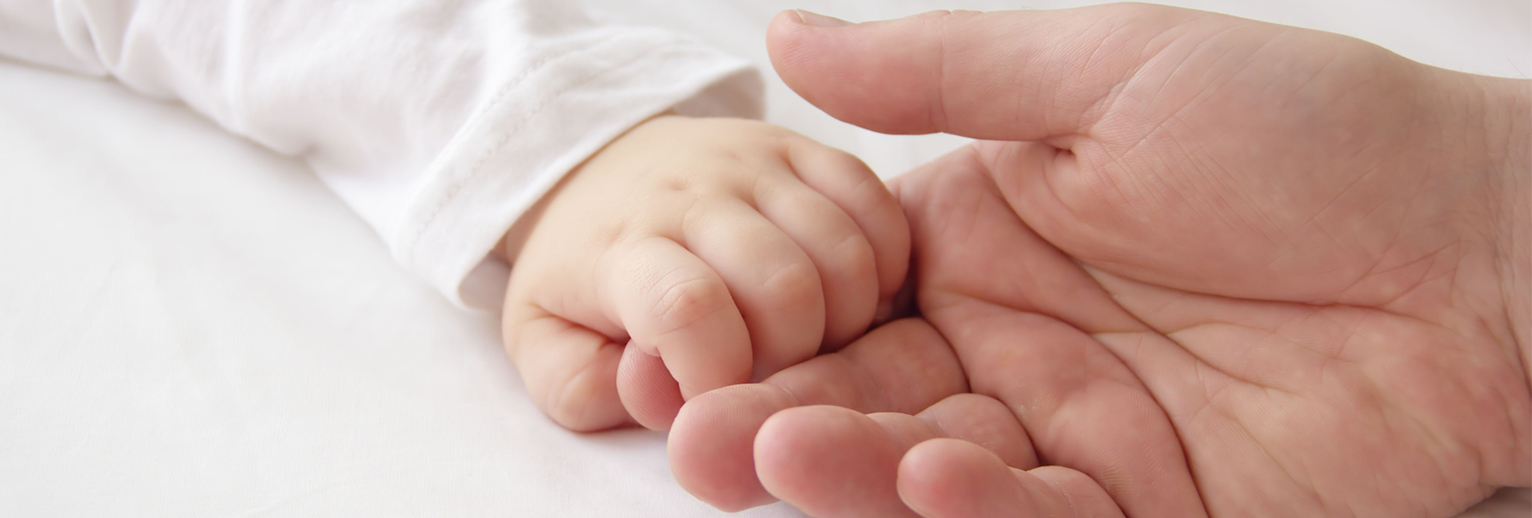
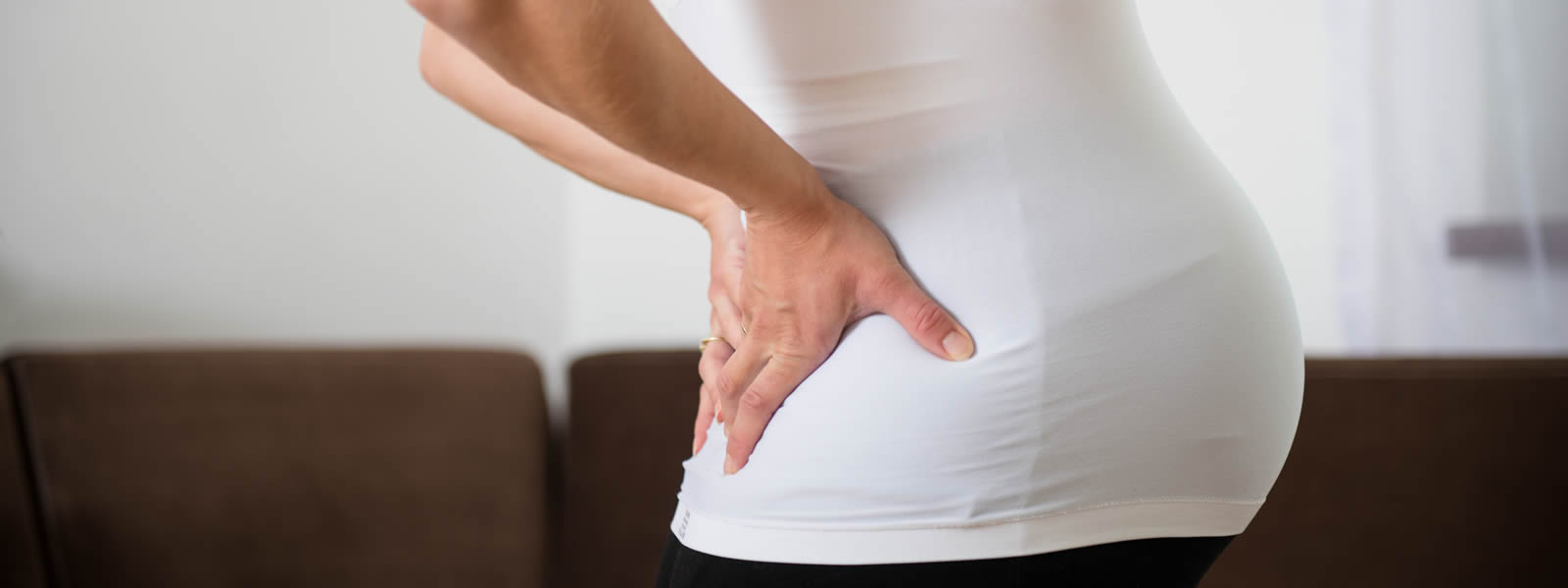
OSTEOPATHY FOR MOTHERS, BABIES AND CHILDREN
Osteopathic treatment using the cranial approach is very gentle, safe, and effective in the treatment of mothers, babies and children.
ACUPUNCTURE
Acupuncture is a safe and effective healthcare system based upon more than 2,000 years of practice and research. It is practised throughout the world both as a primary and adjunctive treatment.
MASSAGE THERAPY
Massage therapy is a holistic treatment using a range of techniques which aims to relieve muscular tension and pain as well as encourage relaxation and overall vitality and well-being.
DIAGNOSTIC ULTRASOUND
Ultrasound is an excellent imaging tool for the assessment of joint conditions such as arthritis, tendinitis, bursitis, fluid in the joints. We work with International Ultrasound Services.
PHYSIOTHERAPY
Physiotherapy helps restore movement and function when someone is affected by injury, illness or disability. Our physiotherapists use exercise, manual therapy and education to aid recovery and improve quality of life.
BIOMECHANICS & INSOLES
Comprehensive gait and posture analysis to identify the root cause of joint, ligament, muscle or tendon pain. We provide expert advice on orthotics and custom insoles, combined with targeted exercises to enhance strength, flexibility and long-term mobility.
COSMETIC TREATMENTS
Advanced non-surgical aesthetic procedures delivered in a clinical setting. From anti-wrinkle injections and dermal fillers to non-surgical rhinoplasty, chemical peels, dermapen microneedling, thread vein reduction and skin rejuvenation treatments designed to naturally enhance your appearance.
SPORTS MEDICINE
The clinic currently consults for the London French Rugby Club, Furnivall Sculling Club and Parkour Generations as well as treating athletes from a diverse sporting background.
About Lucerne Clinic
Established as a premier complementary medical facility in the heart of Notting Hill Gate, Lucerne Clinic has been providing exceptional healthcare services to the local community and beyond.
Our clinic offers a comprehensive range of therapeutic services delivered in a professional, peaceful environment. We pride ourselves on maintaining the highest standards of clinical practice and patient care.


Clinic Leadership

John HUNTER-HOLMES
B.A. (Hons.), M.A (Hons.), B.Ost. (Hons.)
Leading our clinic's commitment to excellence in complementary healthcare. John ensures that all services maintain the highest professional standards and that every patient receives exceptional care in our facility.
Patient Testimonials
What our patients say about their experience at Lucerne Clinic
The treatment I received was exceptional. The clinic's professional approach and caring environment made all the difference to my recovery.
Excellent service and results. The clinic provides a peaceful, professional environment with highly skilled practitioners.
I've been coming to Lucerne Clinic for years. The quality of care and attention to detail is consistently outstanding.
Insurance Partners
We work with leading health insurance providers


Please contact us to verify coverage with your specific insurance plan
Contact Us
Get in touch to book an appointment or learn more about our services
Get in Touch
📞 Appointments by Phone Only
To ensure the best service and maintain compliance, all appointments must be booked by calling our reception team directly.
Call 020 7168 2471Opening Hours
Monday - Saturday
By appointment
Send Us a Message
For all enquiries and appointments, please contact us directly:
📞 020 7168 2471
or email us at:
contact@lucerneclinic.co.ukWe aim to respond to all enquiries within 24 hours during business days.
Our Location
Visit Us
5A Lucerne Mews
Notting Hill Gate
London W8 4ED